Dear Friends and Partners,
At Community Shelter Board, impact does not happen by accident. It is engineered through strategic investment, policy alignment, and a coordinated system designed to deliver measurable results for people and communities.
Fiscal Year 2025 put our approach to the test. With ongoing economic challenges, higher housing costs, and uncertainty at the federal level, our community’s homelessness response system had to accomplish more with fewer resources.
This year showed that when systems are built on evidence and accountability, they remain strong even in tough times.
CSB serves as a Unified Funding Agency because we believe homelessness is best addressed when public, private, and philanthropic partners follow a shared strategy, invest in proven solutions, and stay focused on results. In FY25, this approach supported housing stability, strengthened partnerships with providers and landlords, and reinforced our community’s progress toward making homelessness rare, brief, and non-recurring in Franklin County.
This year also reminded us of an important truth: systems are only as strong as the values behind them. Our work is grounded in equity, data, and lived experience. Strategic investment needs to go hand in hand with thoughtful policy choices, and coordination should always focus on those most affected. When we do this well, housing stability is not just possible, but it lasts.
As we look ahead, FY25 also marks a meaningful moment for CSB. In the coming year, we will celebrate 40 years of serving our community. This milestone reflects our uniqueness, decades of partnership, monumental innovation, and a forerunner to a shared collective response system. We will continue to challenge ourselves, strengthening the systems that future generations will depend on.
This is community work. It happens because committed public and private funders, philanthropic partners, providers, and advocates understand that solving homelessness takes more than compassion; it requires planning, leadership, and sustained investment. Partnership strengthens the system that prevents homelessness and readies housing to support long-term stability for individuals and families across our community.
As you read this year’s report, I invite you to see what becomes possible when a community comes together with purpose and a shared commitment to real impact. Please continue to stand with us as we protect and strengthen the systems that make housing stability possible for everyone in Franklin County and Central Ohio.
With gratitude and resolve,
Shannon TL Isom
President + CEO
A New Horizon
Building a Future Where Housing is the Foundation
For nearly 40 years, Community Shelter Board (CSB) and our dedicated network of 16 nonprofit partners have led the coordinated fight against homelessness in Franklin County. Our system of care has achieved significant milestones, including housing over 30,000 people in the last decade alone and offering a lifeline to thousands of our most vulnerable neighbors.
As the nation’s first HUD-designated Unified Funding Agency (UFA), we have consistently been recognized for maximizing the impact of public and private resources, driving high performance, and ensuring measurable outcomes.
However, even with this impressive track record, we have arrived at a critical juncture. The success of our system is now constrained by a single, formidable bottleneck: the severe lack of deeply affordable housing.
The Bottleneck Blocking Stability
Our current challenge is not a failure of strategy or dedication, but a systemic shortage of the most crucial element for long-term stability. When housing, particularly affordable units for individuals earning under $31,000 per year, is unavailable, it creates systemic barriers to achieving housing stability. As a result, people remain in shelters longer, and permanent housing is out of reach.
A responsive system requires a full spectrum of housing options, and what’s been missing is the supply of housing that is truly within reach of our neighbors in greatest need.
Pivoting to a Housing Focus
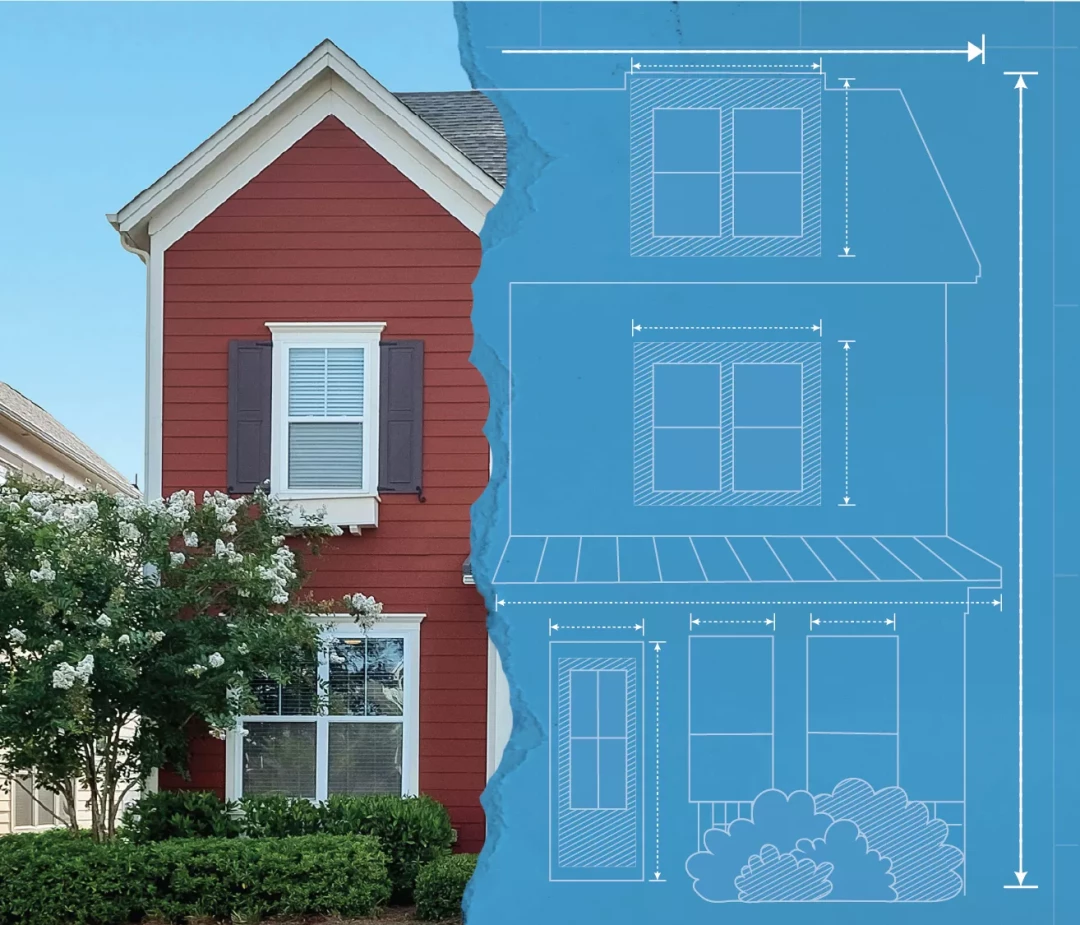
In response, CSB is embarking on a transformative strategic direction. We are shifting our focus to a Housing-ready System. This shift acknowledges that our primary roles as a System Leader, UFA, and Regional Catalyst must now be centered on building housing supply to meet the demand we have identified.
Our mission to lead the coordinated response to homelessness will now be driven by an intense commitment to closing the housing gap.
Our long-term vision is grounded in five core Strategic Pillars, designed to lead change and deliver results:
- Strategic Influence and Sustainable Funding
- Scale Housing Capacity
- Optimized Homelessness Response System
- Organizational Health
- Operational and Financial Sustainability
More Than a Strategy Update
This is a profound commitment to addressing the root of chronic homelessness and system congestion.
By focusing on creating a Housing-ready System, CSB is not just managing homelessness; we are building a better future for all in Franklin County and the Central Ohio region. The next chapter will require the same collaboration and generosity that have defined our work, and we look forward to achieving this bold new horizon with our partners.
Strategic Pillars for a Housing-readied System

Strategic Influence + Sustainable Funding
We will fuel long-term solutions by leveraging our role to influence policy, align diverse funding streams, and engage key stakeholders. This involves aligning funding and partners to invest in housing production and stability.

Scale Housing Capacity
We will close the housing gap by expanding and investing in solutions that create new, deeply affordable housing options for those with the greatest need. Success means more keys and shorter stays in shelter.
Optimized Homelessness Response System
We will strengthen the system’s ability to prevent and divert homelessness before it begins, while optimizing the rehousing response to be more efficient, ensuring a shorter path from crisis to home.

Organizational Health
We will equip our workforce and culture to lead with resilience, professional excellence, and shared purpose. This ensures that our dedicated team and partners can drive and manage transformational change.

Operational + Financial Sustainability
We will ensure our infrastructure and financial systems can support our ambitious vision. This guarantees we can maintain the operational foundation necessary to sustain our solutions.
The Columbus Foundation
Investing in Tomorrow with Historic $2M Gift
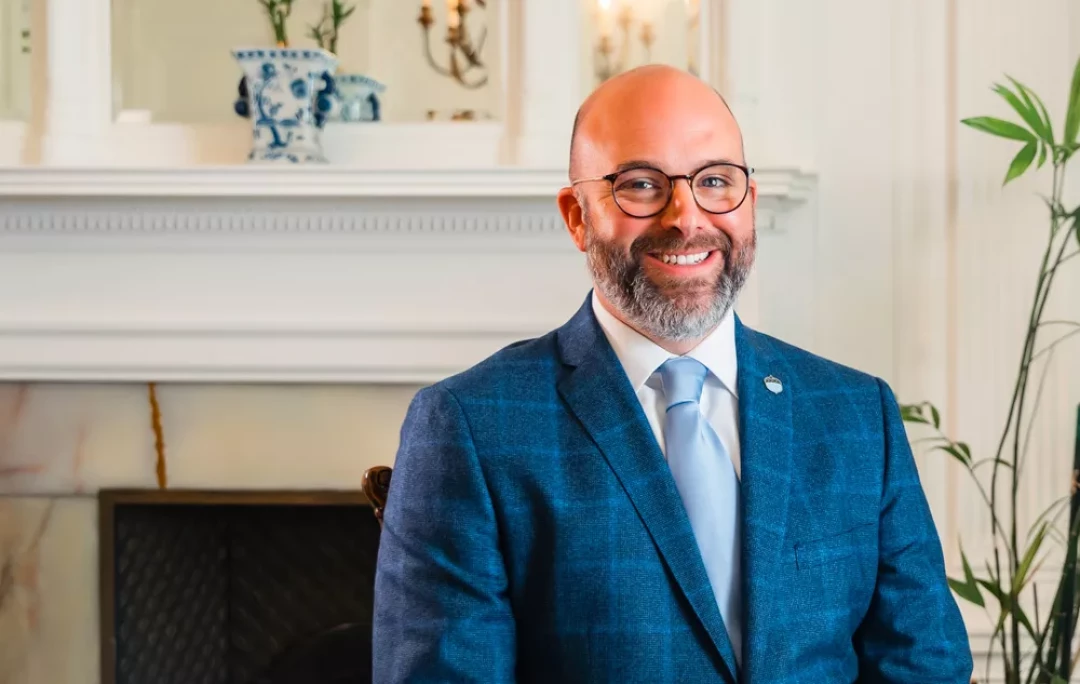
As Central Ohio continues to grapple with rising housing costs, increased economic pressures, and a pressing shortage of deeply affordable housing, the demands on our crisis response system have never been higher. Yet, against this backdrop of urgent need, true community partnership shines through.
“Solving homelessness requires shared responsibility. The Columbus Foundation is proud to stand with CSB to ensure that every person in Franklin County has not just shelter, but a real path to home.”
Dan Sharpe, Vice President, Community Research and Grants Management at The Columbus Foundation
This past year, The Columbus Foundation made a historic $2 million investment in Community Shelter Board (CSB), one of the most significant philanthropic commitments in our organization’s 39-year history. This extraordinary investment is a powerful statement about the indispensable role private philanthropy plays in solving our region’s most complex challenges.
This contribution arrives at a crucial time, directly addressing a critical funding gap exacerbated by shrinking public resources. While CSB remains committed to advocating for long-term, sustainable public funding, the immediate relief and stabilization provided by private leadership is paramount.
This gift directly supports our coordinated network of partners, ensuring that essential shelter beds, housing placements, and supportive services remain available for the most vulnerable members of our community.
The Columbus Foundation’s action serves as a bold challenge. It reminds us that private donations provide the flexibility, speed, and stabilization necessary to maintain a strong response system.
This remarkable support demonstrates that when the philanthropic community steps up, we can continue our work to ensure that everyone in Franklin County and the Central Ohio region has a safe and stable home.
CSB’s Legacy in Central Ohio
Celebrating 40 Years of Community
From the historic $2 million grant from The Columbus Foundation to the $65 gift from the second-grade students at Deane Brown Bishop Elementary School, philanthropy has been essential to all that CSB has accomplished this year, and it will play an even more critical role in our future.
Corporate and foundation partners continue to be a bedrock of support for CSB, helping us exceed our fundraising goal in this area by nearly 20%. We are deeply grateful to our longtime corporate partners, including The Columbus Foundation, United Way of Central Ohio, Bath & Body Works, Nationwide, Battelle, and AEP — whose enduring leadership and investment since CSB’s earliest days have sustained this work and strengthened our community year after year.
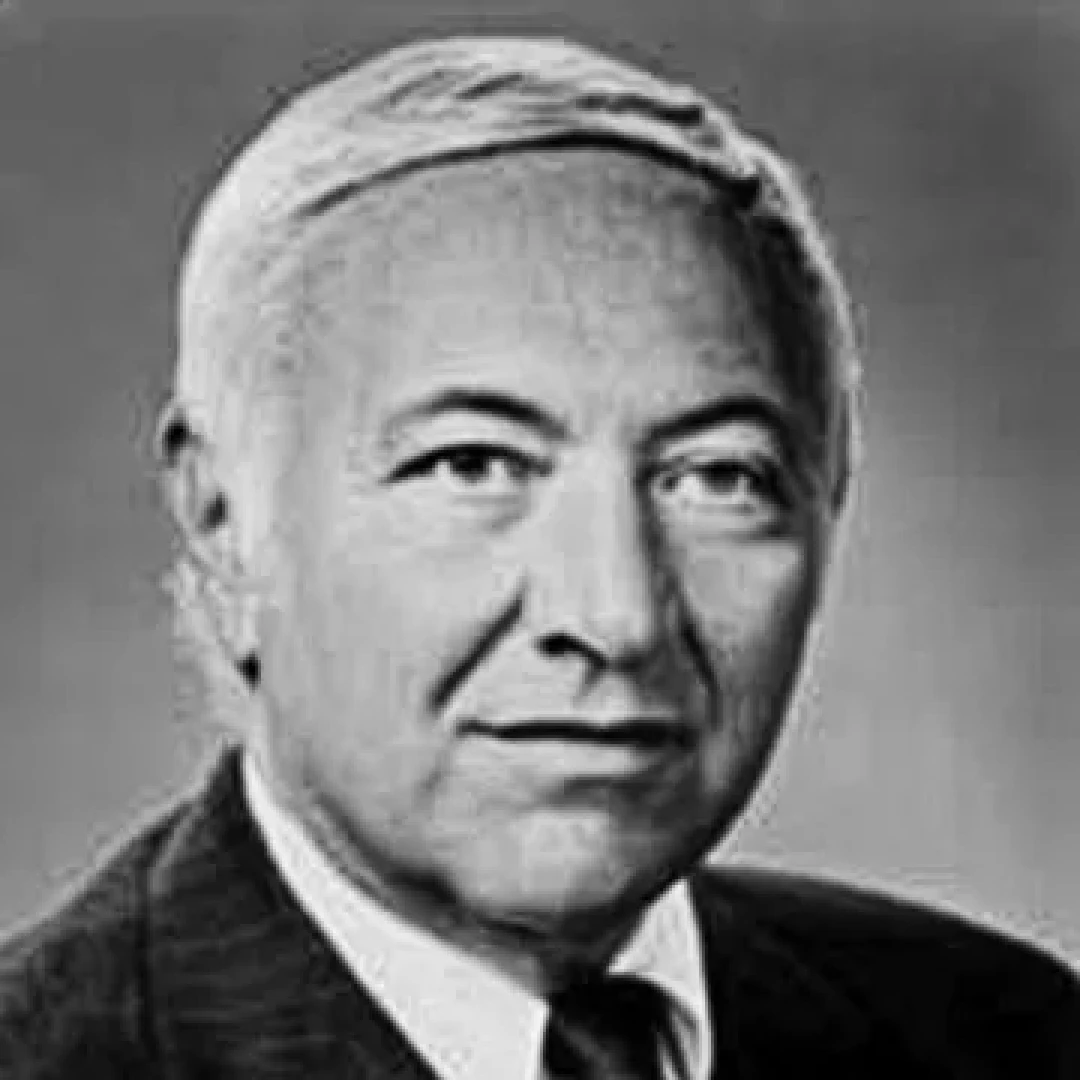
Mel Schottenstein
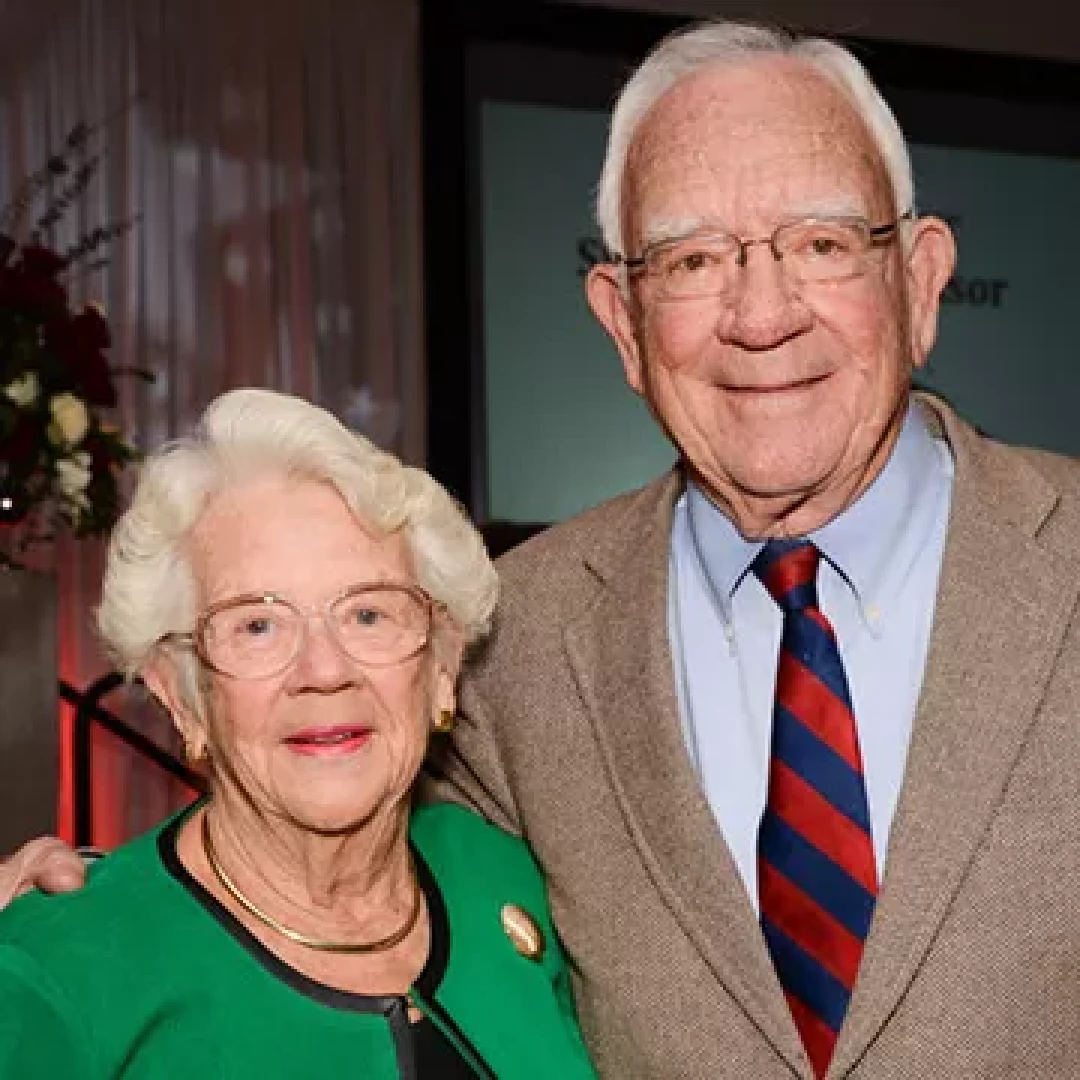
Nancy & Robert Jeffrey
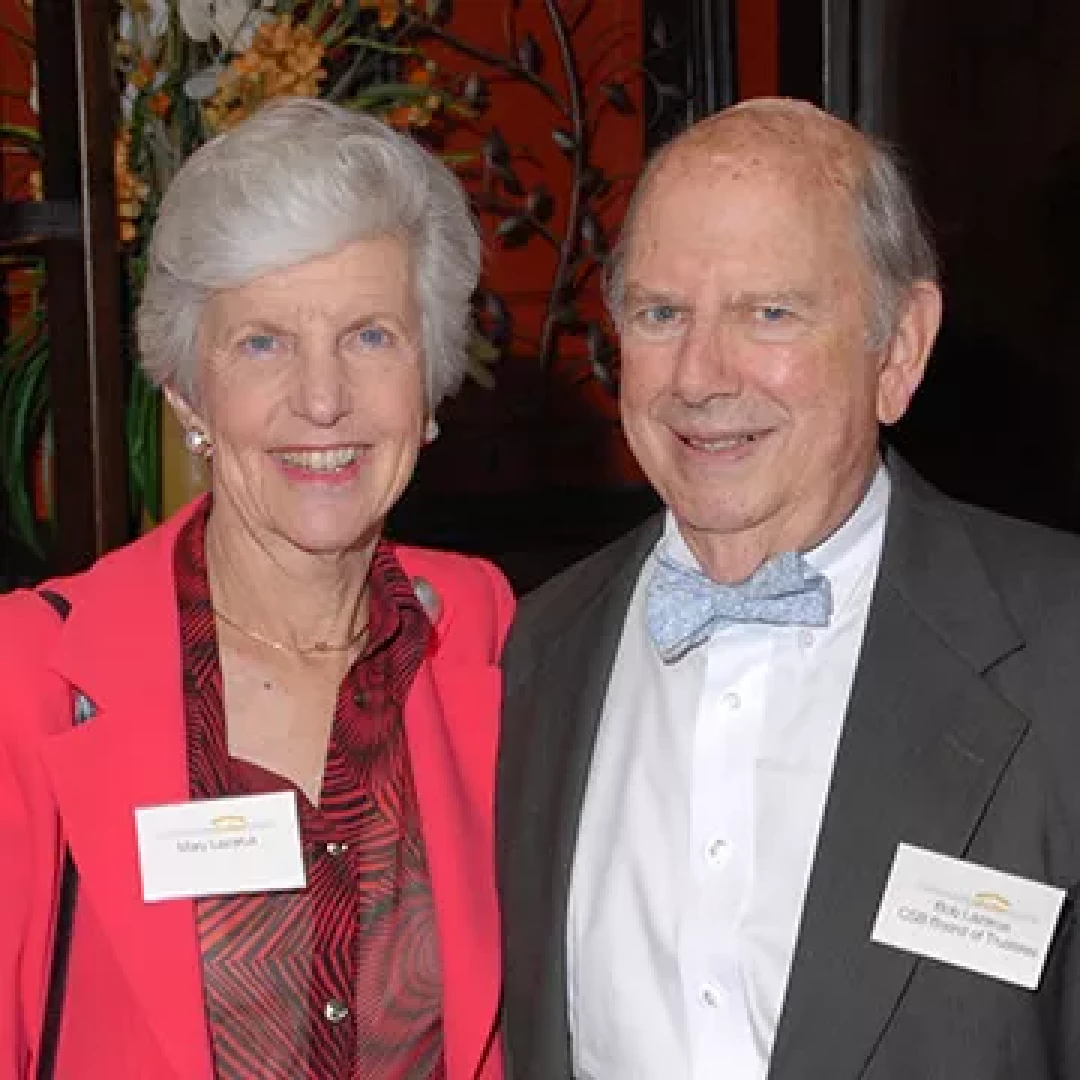
Mary & Bob Lazarus
Looking to the Future
Individual donors infuse our work with the flexibility to act swiftly and think boldly, enabling nimble, innovative solutions where they are needed most. Your generosity provides both hope and momentum as we approach CSB’s 40th anniversary celebration.
For nearly 40 years, Community Shelter Board has proven what is possible when a community comes together with compassion, dignity, and shared responsibility. In 2026, we invite you to celebrate that legacy with us.
Our founders set this vision in motion. Mel Schottenstein envisioned a great city that takes care of its own, inspiring others to step forward and build a community where everyone belongs. Bob Lazarus led with dignity and empathy, mobilizing people and resources so no one would be overlooked or left behind. Nancy Jeffrey showed us the power of collective action, bringing people together to turn care and intellect into lasting solutions.
Celebrating 40 Years of Impact
Mel knew our ambitious vision could only be achieved if all of us —the business community, political leadership, public agencies, and individuals — work together to make it happen. The Mel Schottenstein Birthday Celebration started in 1995 to bring these partners together annually to celebrate their impact.
Now known as Under One Roof, that spirit lives on today. On June 4th, 2026, we will mark CSB’s 40th anniversary, bringing together partners, funders, and friends who have shaped our journey to end homelessness in Central Ohio.
With partners like you, we are not just honoring the past; we are inspiring one another for even greater impact ahead. We hope you will join us under one roof as we celebrate 40 years of community and look boldly toward the future.
Scaling the Solution
A Regional Imperative for Central Ohio
Community Shelter Board (CSB) has long been recognized as the collective impact organization driving effective, data-led solutions to homelessness in Franklin County and the Central Ohio region. As we reflect on 2025, our mission remains centered on ensuring every neighbor has a safe and stable home, but the geography of our crisis is expanding, requiring a strategic evolution of our response system.
Central Ohio is currently navigating an affordable housing crisis that is outpacing national trends, causing vulnerabilities to ripple outward from the core of Franklin County into surrounding jurisdictions. We know that housing market pressures, including rising rents and dwindling vacancy rates, do not respect municipal boundaries. As housing scarcity intensifies, more individuals and families who lose their stability are seeking help in neighboring communities, stretching resources and challenging local response capacity across the region.
To meet this new reality, CSB is undertaking a critical shift toward a collaborative regional approach. This strategic pivot ensures that our system is scaled to address the full scope of the Central Ohio housing challenge, extending beyond the 270 outer belt to engage partners in coordinated efforts around prevention and rehousing. Our goal is not just to manage homelessness, but to stop its rapid growth by tackling the root causes throughout the broader metropolitan area.
FY25 Clients Per Zip Code in Franklin County
Each color represents the range of how many clients CSB and its partners served in each zip code.

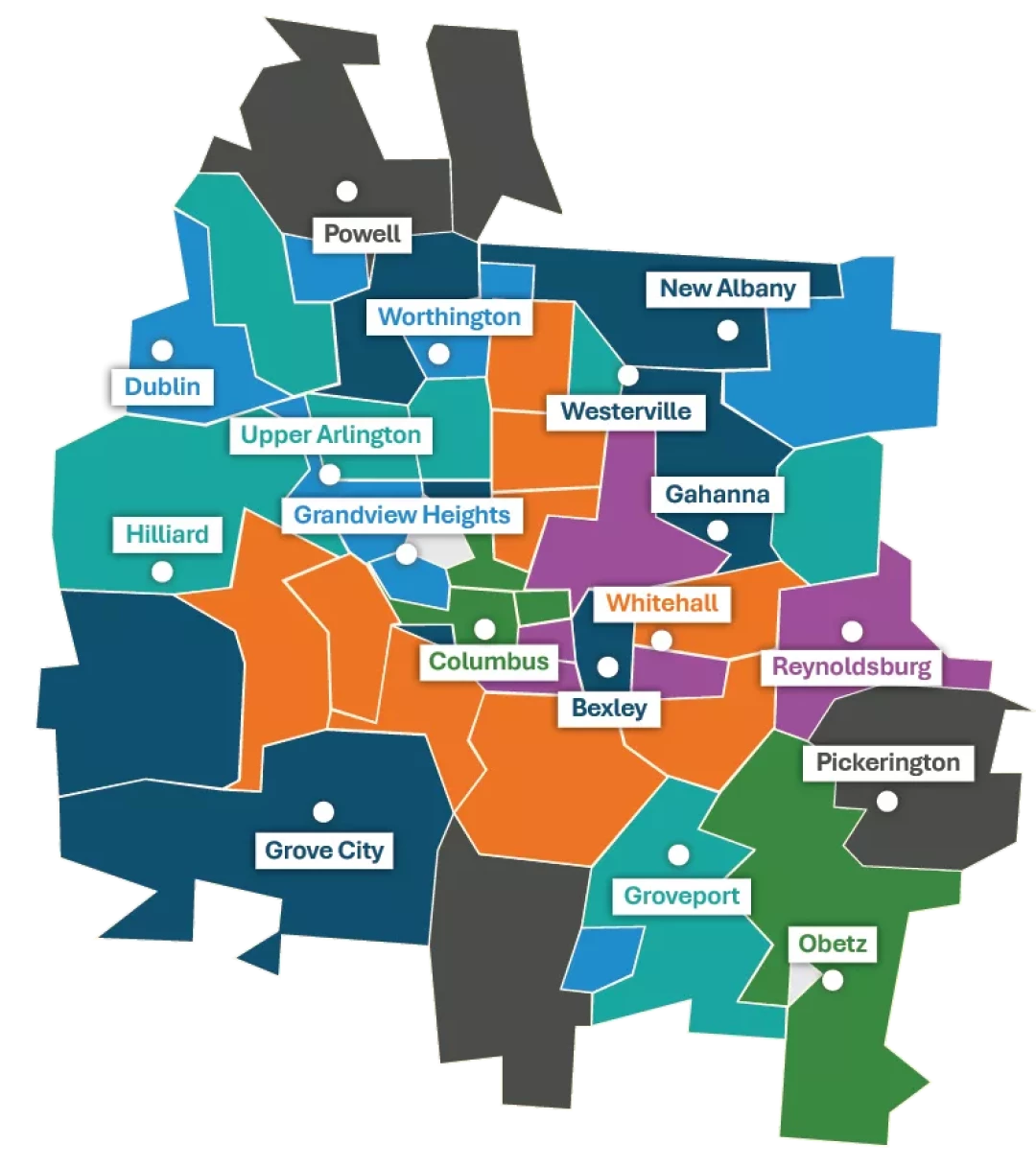
It is vital to underscore that this regionalization strengthens, not diminishes, our core commitment. Franklin County remains the single largest area of need, as demonstrated by the 2025 Point-in-Time Count, which logged a more than 7% rise in overall homelessness.
Our expanded regional vision focuses on shared accountability, seamless data integration, and the strategic braiding of services across county lines. By aligning resources and methodologies with our partners, we can develop a more robust continuum of care, ensuring that individuals experiencing homelessness receive fair and coordinated responses, regardless of where they are in Central Ohio. This collaborative effort is how CSB will deliver on the promise of a livable community for all.
How We Do It

Diversion and Coordinated Entry
10,467+ people called the homeless hotline and were either connected to shelter beds or helped to find better options than shelter.
A 24-hour homeless hotline answers 82,000+ calls a year to connect people to shelter beds or help them find better options than shelter.
Families, youth, and survivors of domestic violence meet face-to-face with case managers to assess strengths, identify available resources, and get linked to tailored options to avoid becoming homeless.
Who Does It
- Gladden Family Division
- Netcare - Homeless Hotline

Shelter
6,849 people, including 1,651 children, 568 people age 62+, 330 veterans, and 151 expectant mothers, were provided safe emergency shelter while experiencing homelessness.
Overall
1,756 people (26%) exited and achieved permanent housing.
Across Central Ohio, 12 shelters operate 24/7/365, providing intake for community members, navigating housing options, and keeping men, women, and families safe every single day and night of the year.
Nine additional shelters, seven of which were community-based, provided beds during harsh winter conditions, offering a warm and dignified environment. These nine shelters did not provide services.
Together, these shelters operated in a coordinated system, with dedicated, around-the-clock staff acting as first responders by conducting intake, guiding people through housing options, and ensuring safety every day and night of the year.
Who Does It
- Lutheran Social Services
- Maryhaven
- Southeast Healthcare, Inc.
- Volunteers of America
- YMCA of Central Ohio
- YWCA Columbus

Supportive Housing
3,887 people, including 525 veterans, 44 transitional-age (18-24) youth, and 960 people ages 62+, were kept safely housed and healthy in permanent supportive housing.
Overall
3,616 people (94%) maintained permanent housing.
This affordable housing offers health care, employment, and other support to the most vulnerable people experiencing homelessness.
As the U.S. Department of Housing and Urban Development’s (HUD) designated Unified Funding Agency, CSB administers all federal funding for supportive housing programs in Franklin County and the Central Ohio region.
As its largest portfolio of sustained care, CSB funds rental assistance and supportive services for these housing units and coordinates the application and placement process, using a vulnerability assessment to ensure that people with the greatest needs receive priority for housing.
Who Does It
- Community Housing Network
- Equitas Health
- Homefull
- Maryhaven
- National Church Residences
- Veteran Affairs
- Volunteers of America
- YMCA of Central Ohio
- YWCA Columbus

Prevention
3,335 people, including 91 expectant mothers, 610 parenting youth families, 189 veterans, and 2,445 family members, received prevention services to remain stably housed and avoid a homeless shelter.
Overall
953 people (83%) maintained their housing. They remained stably housed and did not enter a homeless shelter.
This is targeted prevention assistance for families at risk of homelessness within the next 30 days. Partners identify families at imminent risk of homelessness and immediately offer them problem-solving housing and rental assistance when needed..
Who Does It
- The Center for Family Safety and Healing
- Gladden Community House
- Home for Families
- Lutheran Social Services
- Volunteers of America

Rapid Rehousing
2,790 people, including 89 expectant mothers, 538 parenting youth families, and 371 veterans in shelter, received help finding stable housing.
Overall
2,007 people (70%) exited and secured permanent housing.
CCse managers work with people in shelters who are experiencing a temporary loss of safety nets, connecting them to housing, employment, training, medical care, and rental assistance to help transition them back into stable, permanent housing.
Rental assistance is tailored to each household’s needs and can range from three to 12 months. CSB works with partners to provide quick access to short-term financial assistance for rent, security deposits, or utility payments.
This is the community’s most powerful tool for moving people through shelter quickly and back to stable housing.
Who Does It
- Home For Families
- Lutheran Social Services
- Volunteers of America
- YMCA of Central Ohio
- YWCA Columbus

Street Outreach
658 people, including 40 youth, living outside were engaged by street outreach teams to work toward safe shelter and housing.
216 people leaving homeless encampments were provided with shelter and rehousing.
Overall
177 unsheltered people (82%) exited and achieved housing.
Outreach workers canvas, assess, and enumerate the changing needs of those living outdoors. From youth to families, this team approach links people to housing, food, and other resources and primary needs, including health and mental care.
Who Does It
- Huckleberry House
- Mount Carmel Health System
- Southeast Healthcare, Inc.
My Own Space
How Safe, Stable Housing Unlocked Ritchie’s Future
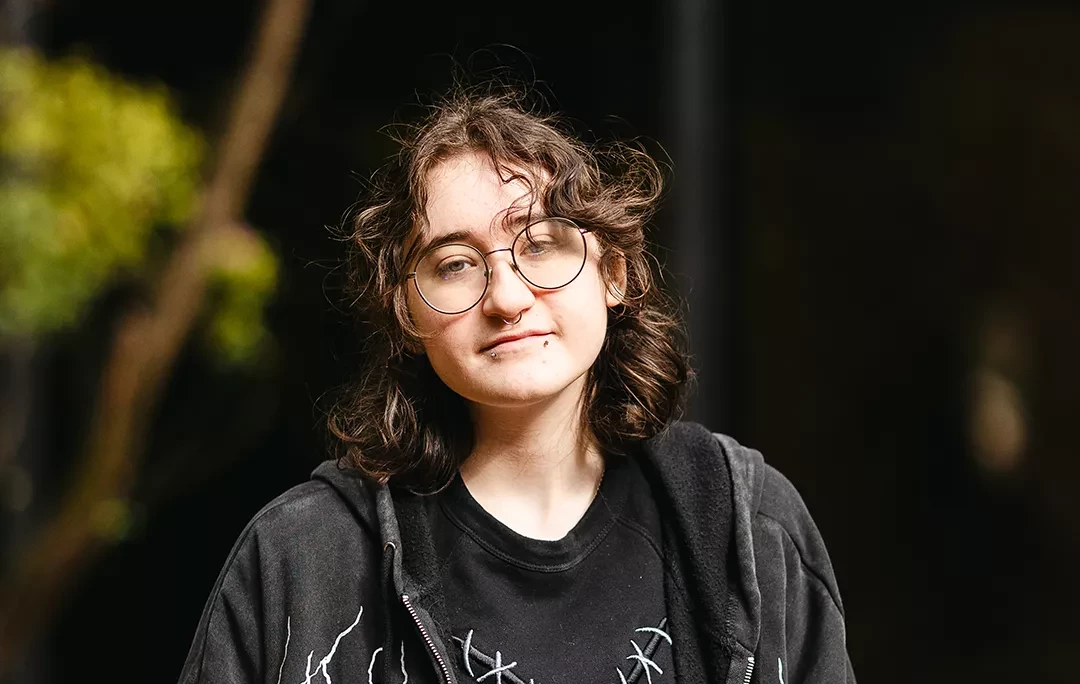
Ritchie, a Huckleberry House client, embodies the powerful transformation made possible by stable housing. Their journey is a testament to how combining a safe, permanent apartment with dedicated supportive services and community engagement can unlock a brighter future. When Community Shelter Board (CSB) and its partners invest in transitional housing for young people, we are not just providing four walls and a roof; we are investing in a future leader.
A Foundation of Personal Space
Before arriving at Marsh Brook Place, Ritchie had experienced the instability of shelter living and temporary shared arrangements. As Ritchie describes it, moving into their single-unit apartment was a “huge, huge jump.”
For many young people, this transition from group settings to having a personal, designated space is the critical difference. “I have someplace that is mine now,” Ritchie reflects. This security offers more than just physical safety; it provides a foundation for emotional and mental well-being, granting the freedom and personal control necessary to build a sustainable adult life.
Setting a New Trajectory
This stability serves as the foundation for growth. Twila Wellmaker, CSB Outreach & Youth System Manager, notes the remarkable difference in their engagement. “Ritchie was originally very quiet and withdrawn and isolated,” Twila recalls. Today, Ritchie’s made a “complete 360.” They consistently attend meetings, keep appointments, and reengage positively with their family. Twila emphasizes that this shift is more than just stability; it is setting up a new “trajectory for their lives.”
For Ritchie, having this dedicated space and accompanying freedom, including the ability to come and go without strict, early curfews, allows them to live as they truly want.
“Having these opportunities to network and connect with people... definitely helps to make me feel like I’m not stuck anymore and that I do have something ahead for me.”
Ritchie, Huckleberry House client
Comprehensive Support
Marsh Brook Place, operated in partnership with Huckleberry House and Community Housing Network, offers housing with comprehensive support for youth ages 18-24. This includes case management, counseling services, and intentional community-building events, such as cooking, art, and music classes. MarQuelle Phillips, Permanent Supportive Housing Coordinator at Marsh Brook Place, underscores the essential nature of this environment: “Everyone deserves housing. That’s number one. Number two, everyone deserves to know that they absolutely matter, regardless of their situation and circumstances.”
Stepping Up as an Advocate
Perhaps the most inspiring element of Ritchie’s story is their emergence as an advocate. Ritchie is now an active and passionate member of the Youth Action Board (YAB), utilizing their experience to improve the system for others. Having felt “behind” their peers due to homelessness, Ritchie now views their involvement in YAB as an opportunity to change the cycle. They participated in the March for Homelessness to share their story, affirming their passion for this work and hoping to make it a future career.
This spirit of purpose, leadership, and connection is the ultimate return on investment for youth transitional housing. When we provide safe, supportive housing, we empower young people like Ritchie to realize their full potential, ensuring they can contribute their valuable voice and talent to the fabric of our entire community.
Bridging the Divide
Partner Perspectives on Our Housing Crisis
Central Ohio is experiencing unprecedented growth, yet a deepening affordable housing crisis shadows this prosperity. Community Shelter Board (CSB) and its partners agree that homelessness is fundamentally a system problem, not a people problem. We must close the critical gaps that push our most vulnerable neighbors out of stable housing.
A Crisis of Affordability and Scale
The most glaring gap in Central Ohio’s housing system is the severe shortage of deeply affordable housing for those at or below 30% of the area median income, points out Alison Marker, President & CEO of Marker Construction and CSB Board Member. This group’s staggering housing costs mean 52,000 Franklin County families pay more than half their income toward rent, forcing a “toxic trade off” between housing, food, and medicine, according to Carlie Boos, Executive Director at the Affordable Housing Alliance of Central Ohio.
Beyond unit shortage, gaps exist in services, including the need for better support for mental health and substance use disorders, as well as the critical lack of affordable senior housing, says Adrian Furman, Community Engagement Manager at National Church Residences. The challenge lies in a significant gap between the scale of need and the actual response, according to Ian Labitue, President & CEO of Affordable Housing Trust of Columbus & Franklin County, encompassing a unit shortage and the absence of wraparound prevention services.
Thinking Bigger, Working Faster
CSB’s partners agree this problem is solvable through a creative, consistent, and collaborative approach. The community must shift its focus to creating more housing solutions. We must “think bigger and work faster,” bringing together developers, government, and philanthropists, says Marker.
Powerful, scalable solutions already exist, notes Boos, who highlights initiatives like Resiliency Bridge, which links housing stability with workforce development.
Intentional collaboration is necessary on projects where housing organizations can collectively lend their expertise, says Labitue. For instance, Furman notes National Church Residences’ successful job training program, which provides residents with value and a pathway to employment.
A Collective Call to Action
Shared responsibility must drive collective work. This action is rooted in the principle of Ujamaa, says Labitue. He views CSB’s role as providing essential data and research on the causes of homelessness, which partners can use to meet the needs. Everyone must reimagine how we prioritize affordability and take care of the most vulnerable, challenges Marker.
Continued collaboration with federal and local government is required to secure more funding for supportive services and affordable housing, especially for seniors and veterans, says Furman.
Cutting the housing gap in half would create 40,000 jobs annually and extend life expectancy by five years, according to Boos.
The entire community must take on the crisis of our neighbors as its own. By committing to greater collaboration, scaling proven solutions, and prioritizing deeply affordable housing, we can create a Central Ohio where everyone has a safe and stable home.
FY25 Partners
The Center for Family Safety and Healing
- Prevention
Community Housing Network
- Supportive Housing
Equitas Health
- Supportive Housing
Gladden Community House
- Diversion & Coordinated Entry
- Prevention
Home for Families
- Prevention
- Rapid Rehousing
- Transitional Housing
Homefull
- Supportive Housing

Huckleberry House
- Street Outreach
- Transitional Housing
Lutheran Social Services
- Prevention
- Rapid Rehousing
- Shelter
Maryhaven
- Shelter
- Supportive Housing
Mount Carmel
- Street Outreach
National Church Residences
- Supportive Housing
Netcare Access
- Diversion & Coordinated Entry
Southeast Healthcare
- Shelter
- Street Outreach

Veterans Affairs
- Supportive Housing
Volunteers of America
- Rapid Rehousing
- Prevention
- Shelter
- Supportive Housing
YMCA of Central Ohio
- Rapid Rehousing
- Shelter
- Supportive Housing
YWCA Columbus
- Rapid Rehousing
- Shelter
- Supportive Housing
FY25 Financial Reporting
Managing resources to support everyone having a home
We keep operating costs low so the majority of resources go to programs focused on solutions for people facing homelessness.
Expenses for FY2025
| Expenses for FY2025 | ||
|---|---|---|
| Programs | 95% | $56,212,439 |
| Administration | 4% | $2,088,622 |
| Fundraising | 1% | $981,891 |
| TOTAL | $59,282,952 |
Revenue Sources for FY2025
| Revenue Sources for FY2025 | |
|---|---|
| U.S. Department of Housing & Urban Development |
$22,218,659 |
| City of Columbus | $19,923,144 |
| Franklin County | $7,147,380 |
| State of Ohio | $2,343,113 |
| Private contributions | $3,652,407 |
| United Way of Central Ohio | $620,000 |
| Other | $756,656 |
| TOTAL | $56,661,359 |
Total net assets at end of fiscal year: $12,305,857
Community Shelter Board (CSB) is a responsible steward of the public’s dollars, spending 95% of our budget on programs for people facing homelessness. Click here for the FY2025 Form 990. For a copy of the full audited financial statements, contact CSB at
info@csb.org.FY25 CSB Board of Trustees
Chair
Jon Cardi, Safelite AutoGlass
1st Vice Chair
Sonya Higginbotham, Worthington Industries
2nd Vice Chair
Michael Stevens, City of Columbus
Treasurer
Kittrella Mikell, KPMG
Secretary
Renée Shumate, American Electric Power
Past Chair
Susan Carroll-Boser, White Castle
Kristina Arcara, Battelle
Trudy Bartley, The Ohio State University
Barbara Benham, Huntington
Joy Bivens, Franklin County Board of Commissioners
Sandy Doyle-Ahern, EMH&T
Andy Keller, Community Volunteer
Alison Marker, Marker, Inc.
Sheila Prillerman, Retired Veteran & Homeless Advocate
Stephen Smith, Bath & Body Works
Kristina Stuecher, OhioHealth
Jonathan Welty, Ohio Capital Corporation for Housing
Scott Wilber, Mount Carmel Health System
Nathan Wymer, Nationwide
FY25 Continuum of Care
Chair
Michael Wilkos, United Way of Central Ohio
Diane Alecusan, Ohio Capital Corporation for Housing
Carlie Boos, Affordable Housing Alliance of Central Ohio
Robert Bramlish, Veterans Service Commission
Walter Dillard, Franklin County
Juliet C. Dorris-Williams, PEER Center
Makaylah Downour, Franklin County Sheriff’s Office
Courtney Elrod, Veterans Administration
Beth Fetzer-Rice, Home for Families
Le-Ann Harris, OhioHealth
Nancy Hashman, Sanctuary Night
Sarah Hatcher, Columbus Coalition for the Homeless
Emerald Hernandez-Parra, City of Columbus
Sonya Higginbotham, Worthington Enterprises
Dr. Maria Houston, Lutheran Social Services CHOICES for Victims of Domestic Violence
Shianne Howard, Franklin County Department of Job & Family Services
Shannon TL Isom, Community Shelter Board
Marcus Johnson, Columbus Mayor’s Office
Scott Johnson, ASPYR Workforce Innovation
Lt. Kyle Kincade, Columbus Police Department
Ian Labitue, The Affordable Housing Trust for Columbus and Franklin County
Beth Lonn, YMCA of Central Ohio
Alison Marker, Marker, Inc.
Vallen Martin, Columbus City Schools - Project Connect
Donna Mayer, Legal Aid of Southeast and Central Ohio
MarQuan McCarrel, Twin Valley Behavioral Healthcare
Mary O’Doherty, Ohio Domestic Violence Network
John Oswalt, Columbus City Council
Jeff Pattison, Franklin County Board of Developmental Disabilities
Dr. Desiree Polk-Bland, Columbus State Community College
Terri Power, Corporation for Supportive Housing
Sheila Prillerman, Citizens Advisory Council
Jim Rose, Faith Based Committee
Tiara Ross, Office of the Columbus City Attorney
Tina Rutherford, Franklin County Children Services
Emily Savors, The Columbus Foundation
Scott Scharlach, Columbus Metropolitan Housing Authority
Rei Scott, Youth Action Board
Meghann Cicola, Equitas Health
Malcolm Turner, Citizens Advisory Council
Sue Villilo, ADAMH Board of Franklin County
Chanda I. Wingo, Franklin County Office on Aging
Greg Winslow, Mount Carmel Health System Street Medicine
FY25 Milestones
A Year Of Progress
First Public Policy Agenda
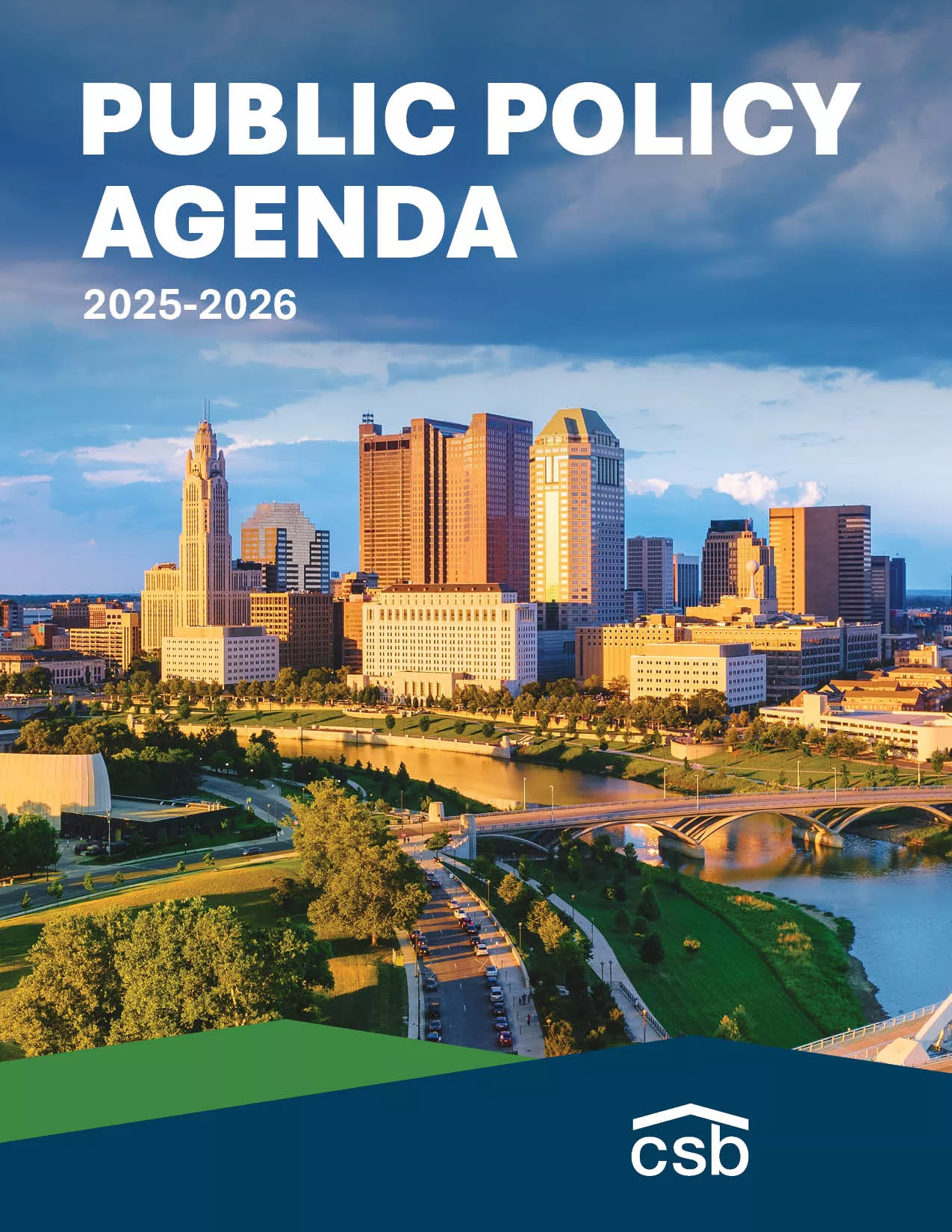
In FY25, Community Shelter Board (CSB) took a significant step forward in strengthening its voice at the local, state, and federal levels by launching its first-ever Public Policy Agenda. This milestone formalized CSB’s commitment to proactive, coordinated advocacy and positioned the organization as a trusted policy partner on issues impacting homelessness and housing stability.
The agenda established clear priorities aligned with our system-wide goals, guided engagement with elected officials and public agencies, and equipped board members, providers, and community stakeholders with consistent, credible messages. Through this work, CSB elevated the needs of people experiencing homelessness, reinforced the importance of evidence-based solutions such as permanent supportive housing and rapid rehousing, and helped ensure that public investments remain focused on outcomes.
Continuum of Care
The Continuum of Care is essential for driving impactful change. CSB collaborated with the Continuum to strengthen its role by expanding membership, enhancing its committee and leadership structure, and engaging in strategic planning. This work ensures a more inclusive and effective approach to addressing homelessness, aligning resources and expertise to better serve our community’s most vulnerable.
Increased Funding from City of Columbus
The Columbus City Council approved $10.4 million in funding to support the continuation and growth of Community Shelter Board’s local shelter services at a time when community needs are rising, and temporary federal relief funding is concluding.
The investment reflects the City’s ongoing commitment to strengthening shelter operations and ensuring residents have access to critical resources. In addition, Councilmember Christopher Wyche sponsored a $300,000 allocation to provide added assistance for residents experiencing homelessness during periods of extreme winter weather.

Winter Warming Centers
Winter warming centers are a vital resource for people experiencing unsheltered homelessness, especially those who avoid traditional shelters. These centers provide protection from extreme cold and connect individuals to crucial services such as healthcare, housing, and employment assistance.
Last winter, CSB worked alongside shelter operators, faith-based organizations, and community partners to serve 670 individuals through these centers, including neighbors with pets, ensuring safety, stability, and dignity. Through strong collaboration and the use of non-congregate shelter options, our community was able to extend shelter to those most in need, strengthening the overall health and well-being of Central Ohio.
People + Culture
CSB launched the first cohort of Lead by Design, a system-wide leadership development program created to strengthen the workforce that drives our region’s homelessness response. This initiative is a cornerstone of our commitment to system readiness and professional excellence across all partner agencies. Participants gain the insight, tools, and confidence to lead with clarity, accountability, and purpose, equipping them to shape culture, navigate change, manage performance, and deliver meaningful results.
By investing in leadership capacity, CSB is strengthening the people who power the system and ensuring a more resilient, effective response for our community.
Under One Roof
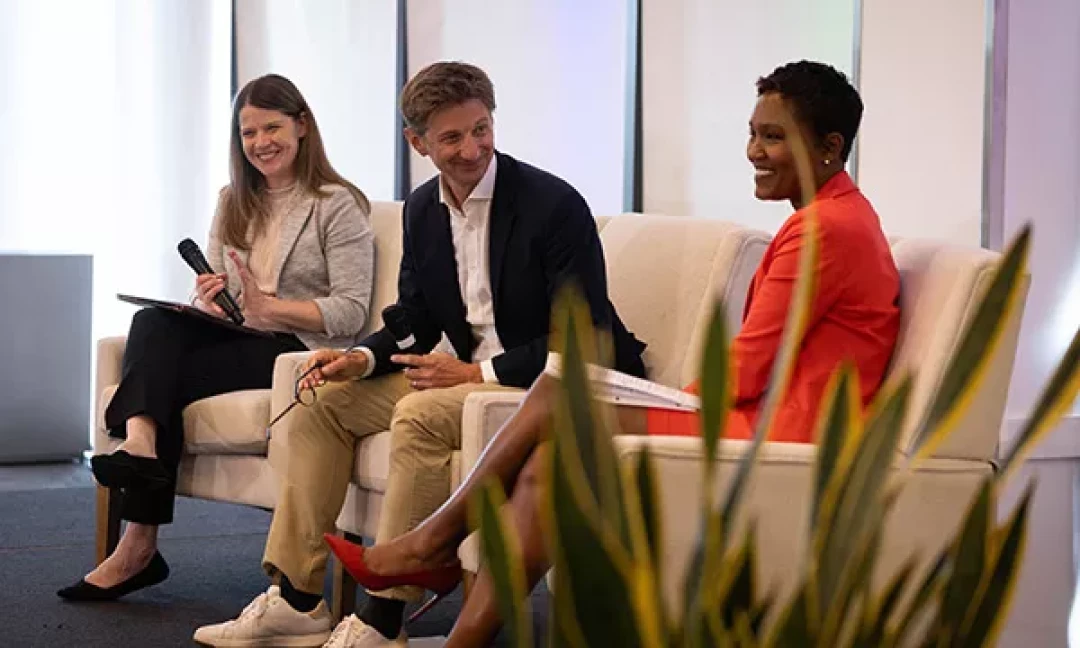
This past June, Gregg Colburn, Associate Professor of Real Estate at the University of Washington’s College of Built Environments, and Dr. Stephanie Moulton, Professor and Associate Dean for Faculty and Research at The Ohio State University’s John Glenn College of Public Affairs, joined CSB President + CEO Shannon TL Isom on stage at Under One Roof for a thought-provoking conversation on the complexities of housing. With nearly 300 attendees, Under One Roof is CSB’s signature fundraising event, designed to elevate community dialogue around pressing social challenges and highlight innovative solutions to homelessness.
Federal Participation in Point-in-Time Count
In May 2025, CSB announced the results of the 2025 Point-in-Time Count on Homelessness. Shannon G. Hardin, Columbus City Council president, joined Shannon TL Isom, CSB President + CEO, to announce a 7.4% increase over the last year in the number of people experiencing homelessness.
Unsheltered homelessness decreased by 11%, while sheltered homelessness increased by 13%, indicating that our strategies around Winter Warming Centers and new options for engaging community members living outside are working.
Chronic homelessness decreased by 1.8% after the most significant single increase ever recorded in 2024; this is also a good indicator that the strategies to reduce chronic and unsheltered homelessness are working.
CSB conducts the count in collaboration with the Continuum of Care, a 44-member planning body committed to ending homelessness in Franklin County and the Central Ohio region.
Partnering with RISE Together to Support Columbus Families
In response to the rising homelessness in Franklin County, RISE Together Innovation Institute and CSB launched Stabilize Families, a guaranteed income pilot. This program provided $1,500 to 80 families experiencing homelessness, and 20 of those families will also receive $500 monthly for 11 months. RISE Together is funding the ongoing payments, while the Ohio State University will evaluate the program’s impact. This is the third Universal Basic Income-style program in the region.
Major Gifts
In 2025, The Columbus Foundation awarded CSB a historic $2 million grant, marking one of the most significant philanthropic gifts in CSB’s history. This extraordinary investment will fill a critical gap in our shelter system amid public funding reductions, providing support to strengthen our region’s response to homelessness and ensuring continued services for those facing housing instability.
CSB raised $2,475,806 from corporations and foundations in FY25, surpassing our goal by 17% ($350,806). Ongoing partnerships with funders who have supported our mission for over 20 years include Nationwide and Nationwide Foundation, American Electric Power and American Electric Power Foundation, the Worthington Companies Foundation, and Bath & Body Works. Their support is critical to our mission of ensuring everyone has a safe and stable home.
Conferences
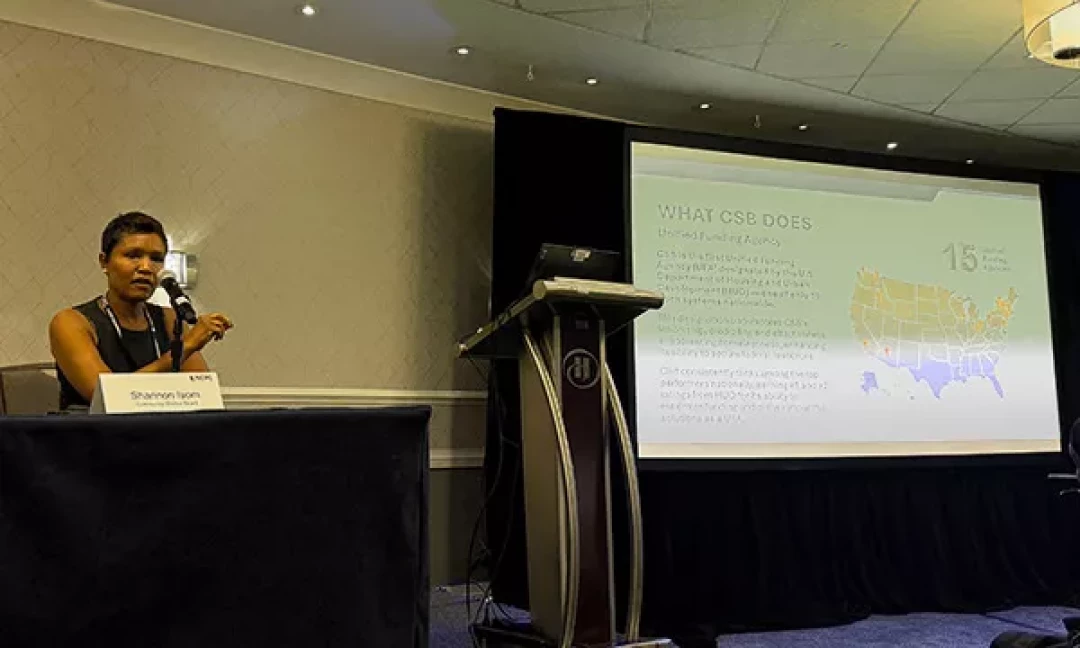
Shannon TL Isom, CSB President + CEO, presented on the Direct Cash Transfer program in Washington, D.C., at the Just Economy Conference, hosted by the National Community Reinvestment Coalition.
The System Effectiveness Team presented on CSB’s Winter Warming Center strategy in Los Angeles at the National Alliance to End Homelessness Conference.
CSB and the Ohio State University College of Social Work presented a Poster Session on the Direct Cash Transfer program at the Health Policy Institute of Ohio statewide conference in Columbus, Ohio.